Content
Take a breath and watch as your screen returns a message that confirms all those stale entries in your DNS Resolver fix MFA prompts not working Cache have been successfully flushed away. It’s almost symbolic—a fresh start for your internet browsing. When you clear out those old records, your system shortens the time it takes to resolve domain names—meaning that websites can load faster. Studies have shown that up to 30% of total page load times can be due to DNS resolution delays.
- This isn’t unusual—specific hiccups can arise when the system is still resolving domain name associations post-flush.
- Whether you’re using Windows or Mac, initiating a restart will help refresh network connections, clear out temporary settings, and potentially fix conflicts from outdated data.
- This procedure proves especially useful if you’ve noticed that certain web pages are loading slowly or displaying outdated information after changes were made in your network configuration.
- Now, restart Outlook and check if Outlook synchronization is working.
- Sounds like your client computer is not able to find your Exchange server.
- Each of these commands plays a vital role—essentially refreshing your system’s memory regarding domain names.
- To resolve this, you can add Outlook and its related processes as exception in your security software or consider switching to a security application that is compatible with Outlook.
Solutions to Fix the Sync Issues in Outlook
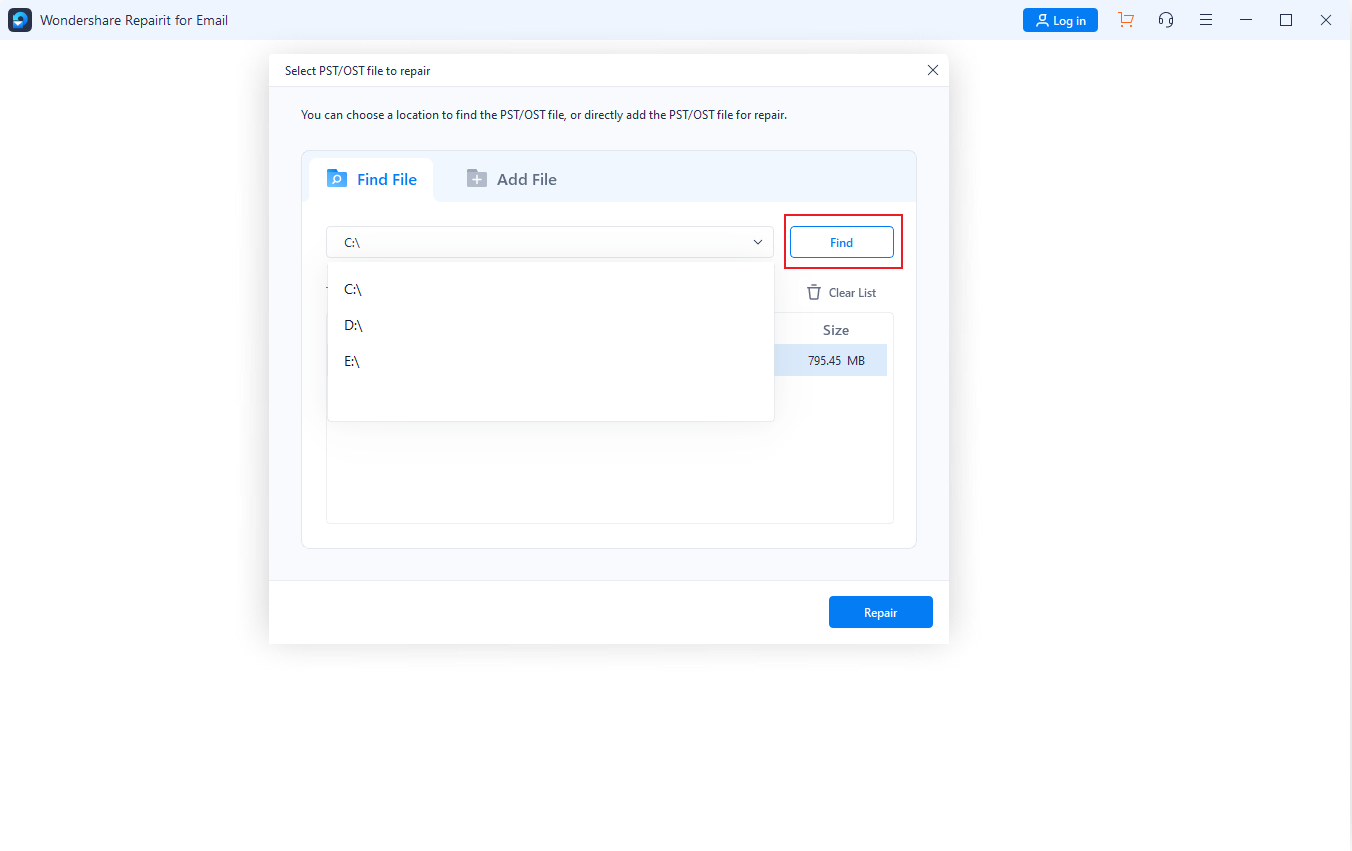
A large OST file can lead to performance issues and result in Outlook not syncing with the Exchange Server, disrupting your workflow. To resolve this, you can reduce the Outlook data file (OST) size. This can help optimize Outlook’s performance and fix the synchronization issues.
How to Resolve Sync Issues in Outlook – A Detailed Guide
Unfortunately, outdated or corrupted DNS entries can disrupt this flow, resulting in frustrating experiences. For instance, you might find that a website fails to load despite your internet being otherwise active. Flushing your DNS cache plays a crucial role in resolving connectivity issues that can disrupt your online experience. When you navigate to a website, your system refers to the DNS cache to find the related IP address. However, if you’ve accessed that webpage recently, it might hold onto outdated or corrupted information.
Method 12: Disable Security Applications
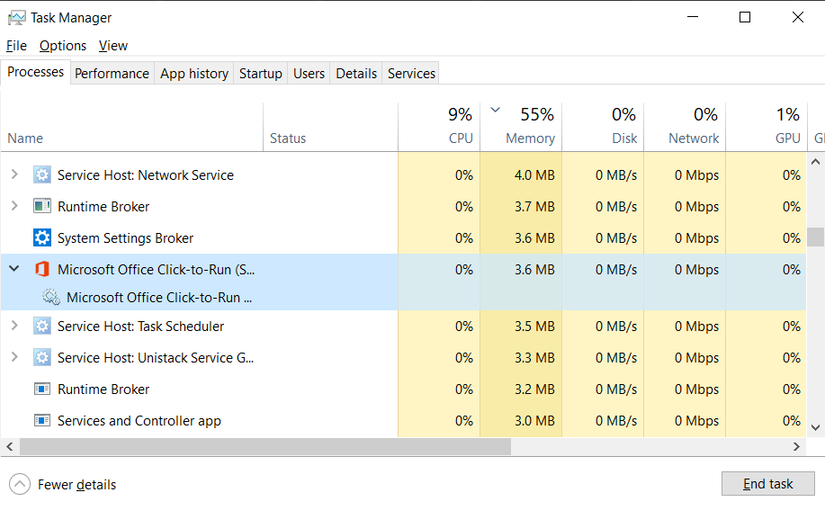
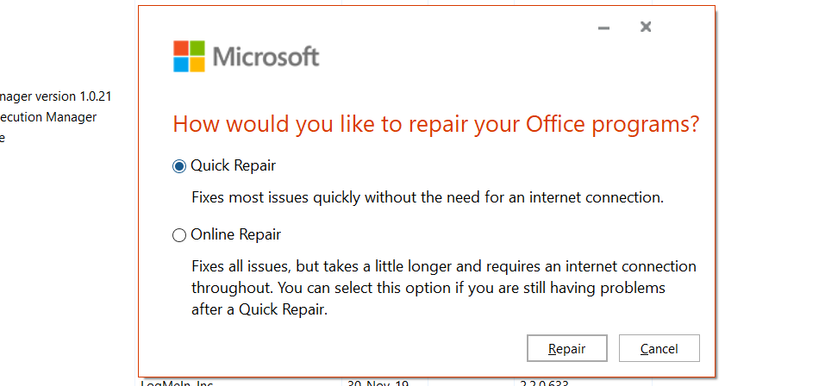
If not, you can completely uninstall Microsoft Office and then reinstall it. Now, restart Outlook and check if Outlook synchronization is working. You can check the error message to find the cause behind the sync issue and fix it. If an external address just do your own forward lookup zone in your DNS servers and deal with it there for your internal clients. He can connect fine at home thus far, this issue seems present only when connected to our internal network.
Flushing DNS Cache: A Step-By-Step Guide to Troubleshoot Your Connection
These may be attributed to more than just outdated records; they could include other underlying network issues. Each of these commands plays diagnose Office activation conflicts a vital role—essentially refreshing your system’s memory regarding domain names. By issuing them periodically or whenever connectivity issues arise, you ensure that your connection remains robust and error-free. After rebuilding the OST file, it’s important to check for any missing mailbox data. If you find any missing items in the new OST file, you can recover them from the backup OST file using Stellar Converter for OST.
According to a 2024 survey by TechRadar, about 40% of users who faced intermittent internet problems found relief simply by flushing their DNS cache. It’s such an effective method that many even suggest doing it regularly as routine maintenance for your home network. Flushing DNS on Linux can indeed feel a bit daunting due to the multitude of distributions available, each with its own quirks and methods. However, understanding which DNS resolver your system is repair PST file without data loss using can simplify the process significantly. Most modern Linux distributions, especially those based on Ubuntu, utilize systemd-resolved or dnsmasq, while RedHat-based distributions often run the Name Server Cache Daemon (Nscd). Knowing this will help you execute the correct commands, expediting the troubleshooting process.